
AI-Powered Digital Twins in Manufacturing: Transforming Production, Maintenance, and Efficiency
Stay updated with us
Sign up for our newsletter

The manufacturing industry is undergoing a fundamental change as AI-powered digital twins find their way to becoming effective enablers for enhanced efficiency, reliability, and innovation. Enhanced with artificial intelligence and real-time data, these virtual replicas of concrete assets allow manufacturers to simulate, predict, and optimize operations in unprecedented ways, thus achieving operational intelligence previously unattainable, reducing waste, downtime, and improving production performance.
This article discusses the different facets of AI-powered digital twins, including the transformation of manufacturing, research and technology advancement, and strategic benefits as smart business apparatuses.
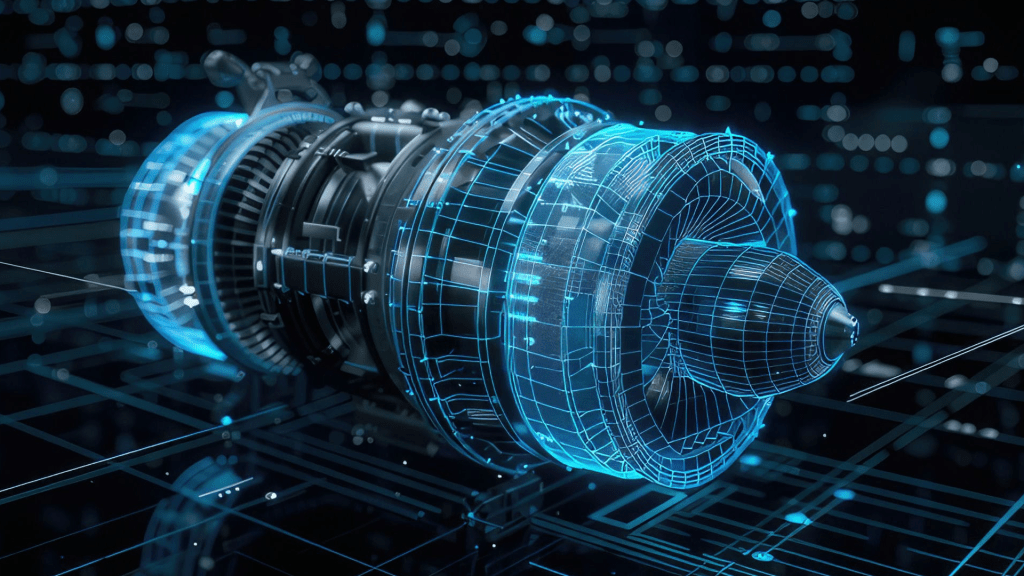
AI-Driven Evolution of Digital Twins
A substantial advancement of digital twin technology comes from convergent AI, IoT, and cloud computing technologies. AI in elaborate digital twins offers:
Real-Time Decision Support
AI twins capture and process real-time data to offer immediate decisions relative to production environments.
Adaptive Learning Models
Machine-learning techniques continuously enhance the digital twin with the operational data that it gets over time.
Scalable Predictive Intelligence
The Institutional availability of high-quality AI enables highly accurate long-term forecasts on the system’s operational and maintenance requirements.
Automation and Optimization
AI-based digital twins suggest improvements in processing during task conduct and adjust the command parameters for functions.
AI-based digital twins suggest improvements in processing during task conduct and adjust the command parameters for functions
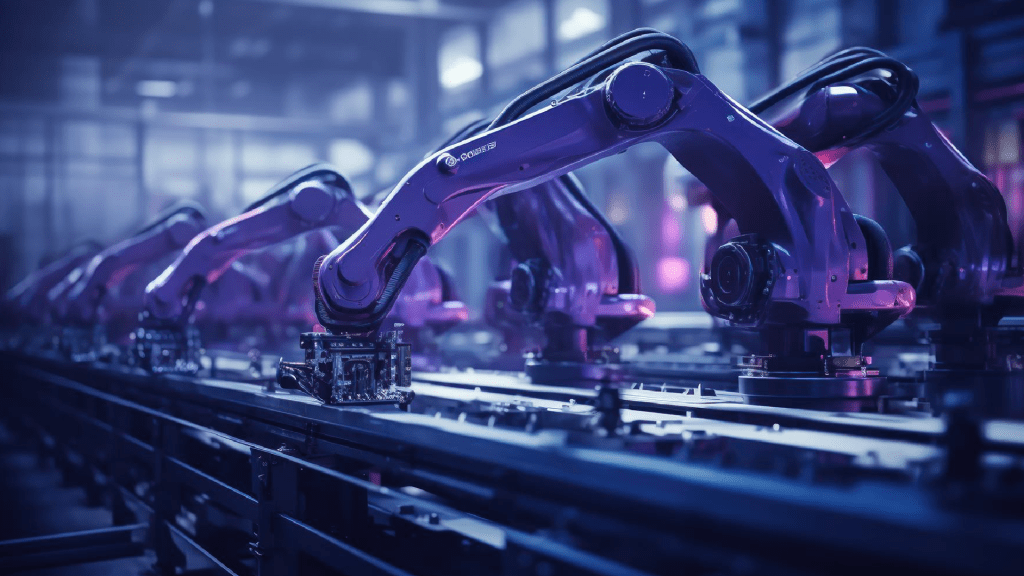
Enabling Smart Factory Environments
AI digital twins are the most important enabler in this modernization, which is consistent with the ideals of smart factory environments. Manufacturers can couple intelligent-integrated production ecosystems with insights from intelligent data to drive efficiency and innovation through digital twins.
Virtual Commissioning and Process Simulation
Before deploying physical systems, test and validate machinery performance in a simulated environment with digital twins to avoid developing systems or making substantial mistakes during commissioning, thus saving time and expense for system integration.
For instance, Siemens simulates its production lines as digital twins in preparation for real-world implementations while optimizing workflow, thus reducing setup time.
Optimization of Production Flow
AI-powered digital twins analyze the production process in real time, giving them a direct view into their processes to search for stoppages that can make them inefficient. Simulation of different configurations allows manufacturers to optimize layouts, streamline workflows, and maximize overall throughput.
For example, aerospace manufacturers create digital twins to optimize assembly sequences using material flows to reduce production delays and increase efficiency.
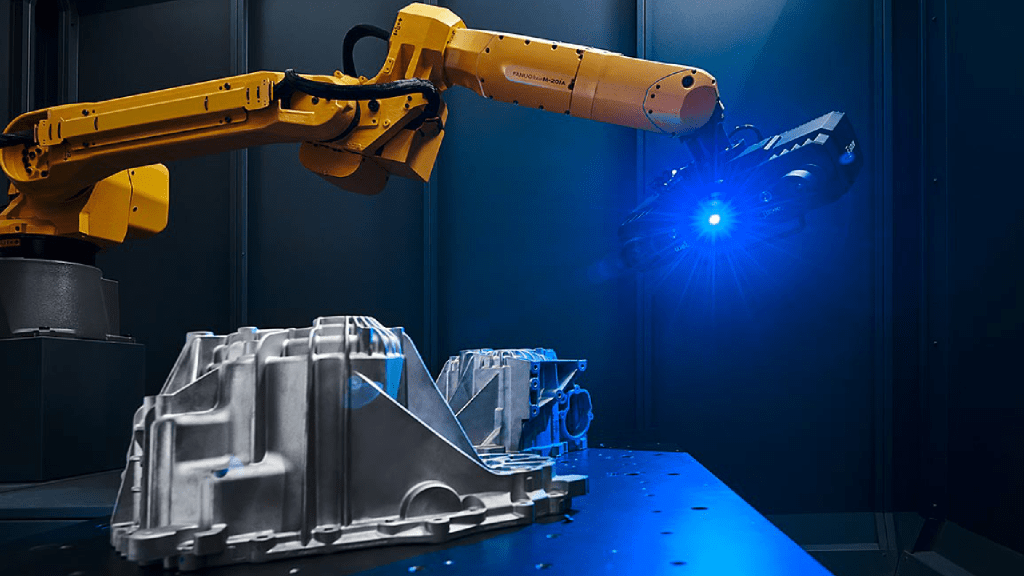
Advanced Maintenance Strategy
Traditionally, maintenance modes relied on either schedule-based servicing or reactive servicing, resulting in needs for just-in-time maintenance.
Predictive Maintenance with AI Analytics
The digital twins that are powered by AI enable real-time monitoring of the machine health and predict failure before it actually happens to the machine. The AI models predict wear-and-tear by analyzing data obtained from sensors and historical trends so that businesses can carry out maintenance at a conducive time.
BMW has been harnessing the power of digital twins for engine component failure prediction to improve service planning and warranty claims reduction.
Prescriptive Maintenance for Automated Repairs
AI-powered digital twins also prescribe specific actions for breakdowns in addition to diagnosis. In fact, the digital twins analyze many different scenarios and can yield suggestions to the maintenance teams on the best repair strategy.
Heavy equipment manufacturers make digital twins to get automated diagnoses, which can lead to self-repairing systems, thus increasing uptime.

Enhancement of Product Quality and Compliance
While these digital twins can ensure high product quality remains the main goal to be met in the course of manufacturing, they are also meant to fulfill compliance with regulations. Continuous monitoring of production parameters by digital twins will enable manufacturers to detect defective products quickly and then redesign configurations.
Digital Twin for Quality Assurance
Machine learning algorithms embedded in digital twins analyze sensor data for deviations that may cause defects. By correcting process parameters in advance, manufacturers can keep the product quality constant.
Pharmaceutical companies use digital twins for the consistency of drug formulations to comply with stringent standards.
AI-Based Design and Material Optimization
Digital twins simulate the performance of products under different conditions to help engineers optimize materials and designs in terms of durability, effectiveness, and sustainability.
AI-powered digital twins minimize material wastage in product development while increasing product resilience and improving testing across aerospace companies, including Boeing.
Building Supply Chain Agility
In the current unpredictable global market, resilience in the supply chain is another important consideration.
Intelligent Demand Forecasting
It does not stop at enhancing demand forecasting; AI digital twins decipher sales trends, correlate them with economic indicators, and factor in the constraints of logistics. The forecasts predict market fluctuations and help businesses align their inventory on time, avoiding shortages.
Supply chain scenario modeling gets improved for immediate procurement strategies through increased adoption of digital twins in consumer goods companies.
Dynamic Logistics and Distribution Planning
Companies use digital twins to help optimize their transport networks, run warehouse simulations, and proactively facilitate distribution delays. Furthermore, AI models predict the best shipping routes and inventory management practices.
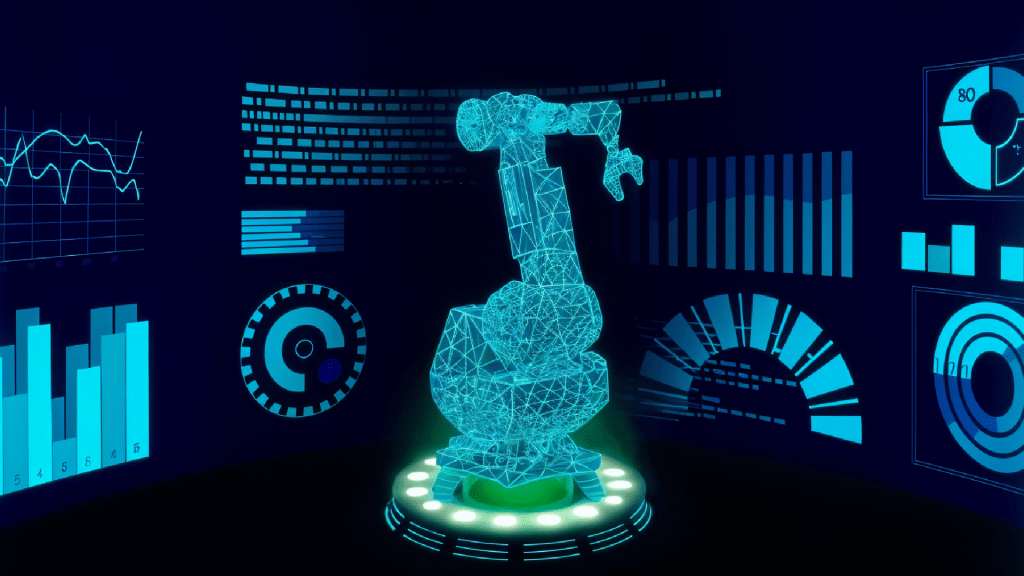
The Road Ahead: Future Innovations in AI-Powered Digital Twins
Digitized twins are poised to underwrite a paradigm change in manufacturing. The following are some of the mega trend formats that will shape the future:
AI Autonomous Next Generation-Production: Digital twins will be able to create an organically self-regulating autonomous manufacturing atmosphere, which would require minimal human intervention.
5G Real-Time Insights: With faster transmission of data through 5G networks, the real-time capabilities of digital twins increase, thereby speeding up decision-making processes.
Blockchain for Secure Data Exchange: The application of blockchain would make the transactions from supply chains more transparent and secure while adopting digital twins.
Sustainability Optimization: AI-driven digital twins would help manufacturers achieve energy efficiency and reduction in carbon footprints, thus being a green production enabler.
Conclusion
Adding to this, AI is not only advancing future changes in manufacturing but also adding smart production, minimizing downtime, and predictive maintenance. The combination of AI lets humans achieve efficiency, agility, and innovation in an increasingly competitive business landscape.
This is no longer an option but a strategic necessity that forward-thinking organizations will have to take to remain relevant and grow steadily. And as the AI continues on an evolutionary path, so will the prospect of digital twins increasingly augment their potential in manufacturing, realizing new levels of industrial intelligence alongside operational excellence.
If you liked the blog explore this:
AI Chatbots Are Taking Over: The Shocking Truth About Digital Transformation
AI Chatbots Are Taking Over: The Shocking Truth About Digital Transformation