
Deepfake Apocalypse: Facing a World Where Reality Is Blurred!
Stay updated with us
Sign up for our newsletter

If you come across a video of someone that looks, acts and even sounds like you but you don’t remember doing anything that is in that video? A viral video of Vice President of USA, in which she was seen speaking in a slurry way had sparked fire over social media. People after that said that she was not fit for holding office. But there was a twist. The video wasn’t real but a deepfake, carefully designed for political manipulation. There are hundreds of such stories where fake videos and photos have tarnished reputation of a lot of people.
AI is the root of innovations but its applications can be equally concerning. These AI-generated creations alter videos and images to something completely different than what they were to begin with and blur our understanding of reality. They are garnering so much attention and apprehension and disrupting names and lives of people. In this blog, we’ll explore the intricacies of deepfakes, their making, potential impact, and the measures we can take to protect ourselves from their misuse.
What is a Deepfake?
The word “deepfake” comes from: deep learning and fake. Deepfake uses AI algorithms to manipulate and create fake audio and visual content that is be completely different from the real video. It becomes one of the serious issues with the development of AI because of the deepfakes, which become much more complex and realistic, making detection even more difficult with time. Early examples of deepfakes were faces of celebrities imposed onto bodies that are not theirs. Such videos, produced in the early years, show what AI can do with video material to produce highly genuine looking deepfakes that leave most people in doubt concerning even whether they were done by AI.
Creation of Deepfake
Creating deepfakes takes the following steps:
- Data of images and videos of the target person is gathered. The more the data, the more realistic the deepfake becomes.
- The data collected later is used to train generative adversarial networks (GANs). GANs have two networks called a generator and a discriminator where the generator makes the content that resembles the target, while the discriminator makes sure that the generated content looks authentic.
- Once the model is trained, a deepfake is generated. This output is then refined to reduce errors and rendered into the final content.
Misuse of Deepfakes
Deepfake technology has many potential applications, both positive and negative but negative is overpowering the positive ones. Let us understand them.
Spreading Misinformation
Deepfakes are being used for spreading misinformation and propaganda influencing public opinion in in support or opposition to something. Such kind of misinformation can also disrupt political results.
Scamming
Deepfakes can create fake identities for frauds and identity thefts. In Hong Kong, scammers employed deepfake to carry out a fake video call to the chief financial officer of the company and he was cheated into transferring $25 million to scammers.
Identity Stealing
The Identity Fraud Report 2023 found that 2 million fraud attempts were made across industries mostly from Spain, Germany and UK. Deepfakes also make it easier to impersonate individuals in video and audio messaging, resulting in reputation damage and financial losses.
Political Defamation
Deepfakes can be used to create fake stories about political candidates affecting elections and damaging their reputations. For example, In New Hampshire, deepfake calls using President Biden’s voice were used to request democratic voters not to participate in the primary to discourage more than 40,000 New Hampshire voters from voting.
Extortion:
Deepfakes are also utilized for extortion to pay money directly to the scammer. Over 100 public officials in Singapore, received emails with deepfake photos and ransom demands of $50,000.
Cyberattacks
AI cyberattacks will increase in future, and organizations will have to adopt advanced AI-based cybersecurity measures to combat and prevent AI and deepfake threats. A good example is a phony video of Mark Zuckerberg claiming that he has control over billions of people’s information.
Impact of Deepfakes
In 2018, voice deepfakes were about 73% accurate, and video deepfakes were 68% accurate. In 2023, voice deepfakes rose to 96%, and video deepfakes were 94%. The impact of deepfakes is huge and is affecting various sectors of society. This makes it harder for people to figure out what has been posted is real or not which ruins public trust toward traditional media sources. Deepfakes are making is very difficult to tell what’s real and what’s fake. This confusion weakens public trust in media. One of the most obvious reasons is for political manipulation and creating pornography.
So what does deepfake do that makes it so dangerous?
Deepfakes can create false narratives, ruin the reputations of political candidates or public figures, and even produce fake evidence that compromises judicial systems and security. They can create a “reality apathy,” by continuously serving lies and fake narratives making it difficult to differentiate truth from fiction. At present they do this on a large scale with faster results. The threat isn’t just personal; it’s global. Deepfakes could destabilize companies, international markets, and even global security.
Fighting Deepfakes
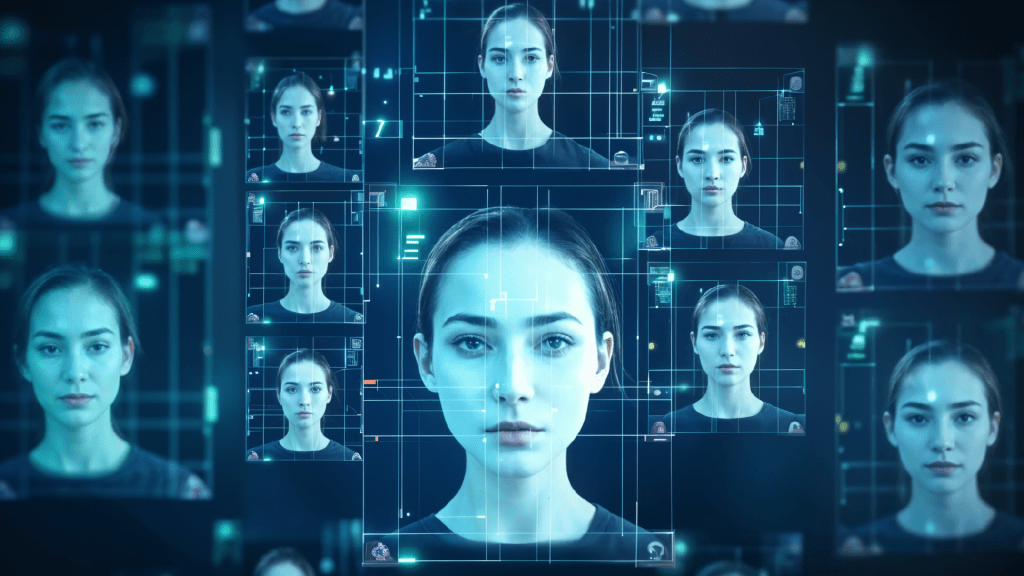
As deepfakes get smarter, spotting and stopping them is becoming challenging. Following are some ways that we can use to fight the misuse of deepfake tech:
AI and Visual Analysis
AI can scan videos and images to find signs of tampering, like mismatched facial expressions across frames or odd lighting based on certain clues such as mismatch in facial expression. For instance, in 2018 researchers found that deepfakes don’t blink like real humans which can be one way to find if the video is fake or not. Deep learning models analyze voice patterns, tone, and speech to detect inconsistencies and match voices with known samples. Combining audio and visual clues to give a more accurate picture and catch deepfakes faster.
Digital Forensics & Blockchain
Experts use forensic technical analysis to look for hidden signs of editing in videos and images. Blockchain can help verify media authenticity by tracking video and image signatures. MIT has a website to detect deepfake content.
Adding Watermarks
Adding digital watermarks to content proves that the media is genuine and not deepfake. These watermarks can be invisible so that even if they are manipulated it can be analyzed by experts and traced whether their sources are genuine or not.
Human Expertise
Trained professionals can often spot deepfakes by carefully examining the content for inconsistencies or unnatural movements. Fact checking is also a great way to do it.
Regulations
- The EU AI Act has regulations related to deepfakes, that imposing clarifications when content is not authentic for transparency requirements.
- The National Defense Authorization Act for 2020 and the Identifying Outputs of Generative Adversarial Networks Act are two U.S. laws that try to stop deepfakes that affect elections. But there’s no federal law to help victims of deepfakes get support or compensation.
- The Ministry of Electronics & IT (MeitY) in India is also planning to draft regulations for countering deepfake technology.
Challenges
Even though there are advancements in detection technology, many challenges still remain and since it’s a fairly new technology there is a huge scope of improvement. Let us understand these challenges:
Advancement
Deepfake technology is constantly getting better, many times using the research to detect them to make it better, making it difficult for detection methods to keep up.
Generalizations
Current detection methods don’t perform as well in real time detection due to lack of training in real time. Detection tools often struggle to maintain accuracy across various types of manipulated media because training deep learning models require extreme computational power.
Limited Resources
Many regions lack access to the technology and expertise needed to analyze and detect deepfakes. High quality datasets are required to improve the methods’ efficacy.
Legal and Ethical Considerations
Should people who create deepfakes be held responsible if others misuse them?
These fake videos and audio clips can damage trust in the media and it is not right to use someone’s image or voice without their permission. Some U.S. states have already banned harmful deepfakes that have been used for fraud or defamation. In India, laws like the Information Technology Act and the Indian Penal Code offer ways to address privacy violations and cybercrimes linked to deepfakes. Officials should warn social media and tech companies to take deepfake threats seriously and if they don’t, then face penalties.
As deepfake technology becomes popular, it is essential for individuals and organizations to prepare for a future where understanding what’s real and fake content is increasingly challenging. Verification Tools that use AI to analyze videos and images to find content manipulation should be used and reference sources should be used to verify information by cross-referencing many sources to make sure that they are accurate. Also it is extremely important to critically analyze and carefully examine the content for inconsistencies, lighting and unnatural movements.

Media Literacy
Educational Programs
Deepfakes are becoming double every 6 months so teaching people how to question and verify what they see online is crucial. Schools, colleges, and workplaces can offer simple courses to build these skills. Running campaigns to inform people about deepfakes and how to spot them can make a big difference. The more people know, the harder it would be for false content to spread.
Ethics
Promoting standards for the creation and distribution of ethical deepfake content. A report by the Partnership on AI shows that if ethical standards are incorporated then the risk of deepfake abuse can be reduced by 40%.
Better Governance
According to IBM’s Cost of a Data Breach Report 2022, if businesses use strong security training programs, they can save an average of $2.66 million per incidence. Companies need to implement advanced security systems, clear protocols, and thorough employee training to safeguard against deepfake threats.
Crisis Management
Regularly testing security with simulations and security makes teams are ready to respond to cyber attacks. IBM urges policymakers to act quickly and focus on the most harmful uses of deepfakes to keep AI a positive force for the global economy and society.
Wrapping Up!
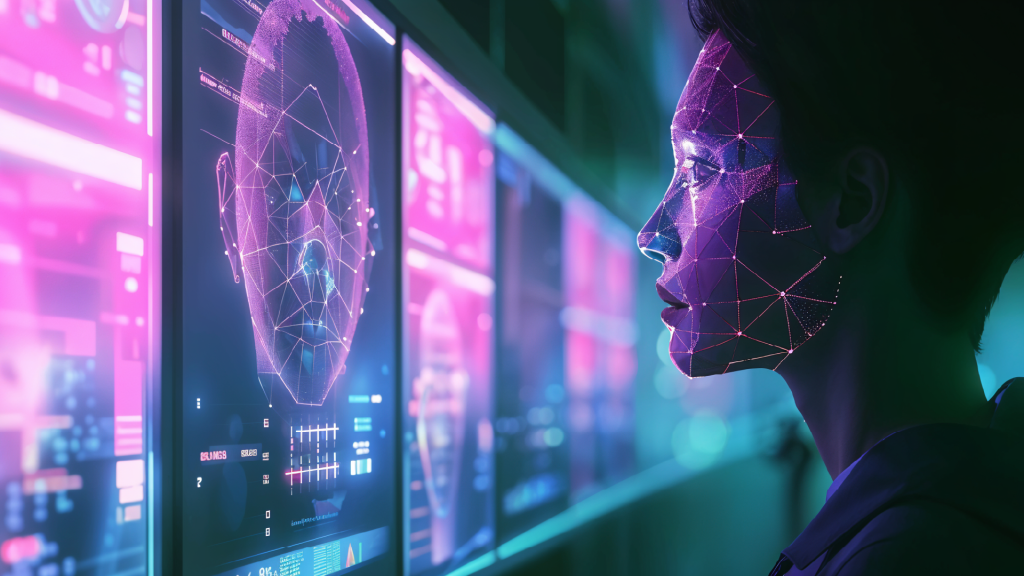
Deepfakes challenge our understanding of truth and reality. While they offer new opportunities in entertainment, education, and more, they can also be misused. By learning how deepfakes are produced and work, understanding their impact, and taking steps to detect and stop them, we can protect society from their harmful effects. As deepfake technology keeps developing, it’s important to stay alert, improve detection methods, and develop laws and ethics around it. We must also improve our media literacy. By staying aware and responsible, we can handle the challenges of deepfakes and use their benefits without losing trust in the digital world.
If you liked the blog explore this: Quantum Computing and Cryptography – The Future of Secure Communication