Emerging Cybersecurity Threats in 2025: Navigating the Complex Landscape
Stay updated with us
Sign up for our newsletter

Cybersecurity is at a crossroads. Considered one of the foremost problems for the modern world, cybersecurity combines technology, law, and psychology in one subject. Cybersecurity in 2025 is going to be different than anything we know of because of the violence posed by terrorism and rapidly advancing technology powered by Artificial Intelligence. As devices become more advanced,
the data we process comes with greater responsibility and risk. Protecting an individual’s personal and organizational data and information therefore becomes essential on a global scale. Every business, regardless of sector, relies heavily on Information Technology: marketing, sales, finance, product development, and customer relations. Technology is widely used across the globe, which means that every day millions of individuals and corporations depend on cyberspace.
The world is more connected now than it has ever been. Numerous, IoT powered devices learn from each other which makes it crucial to set up stringent protective measures. Cybersecurity is a delicate issue with numerous moving parts and compromises between digital privacy and digital security.

Importance of Cybersecurity
Why cybersecurity is of utmost importance stems from one point, and that is security threats. Let’s illustrate on how damage that could be inflicted:understand previous performance.
Protect sensitive data: Every one of us has private data stored online, which can be used against us. Cybersecurity is vital in protecting that data. Information like credit card details, Employer Identification numbers, financial data and confidential business information and much more sensitive data underscores how much responsibility rests on our shoulders.
Trust is hard to regain: Businesses that experience data breaches can lose customers’ trust. And once that trust is gone-it’s gone for good. Proper cybersecurity processes are essential to keeping a good reputation.
Compliance and consequences: Several industries have regulations that require them to implement certain security mechanisms. Failure to comply can lead to massive fines and legal action. That’s a risk no business wants to take.
Continuity of operations: Down time caused by cyber-attacks not only disrupts business activities, but also leads to productivity loss. Strong cyber security architecture allows organizations to operate even in the face of an attack.
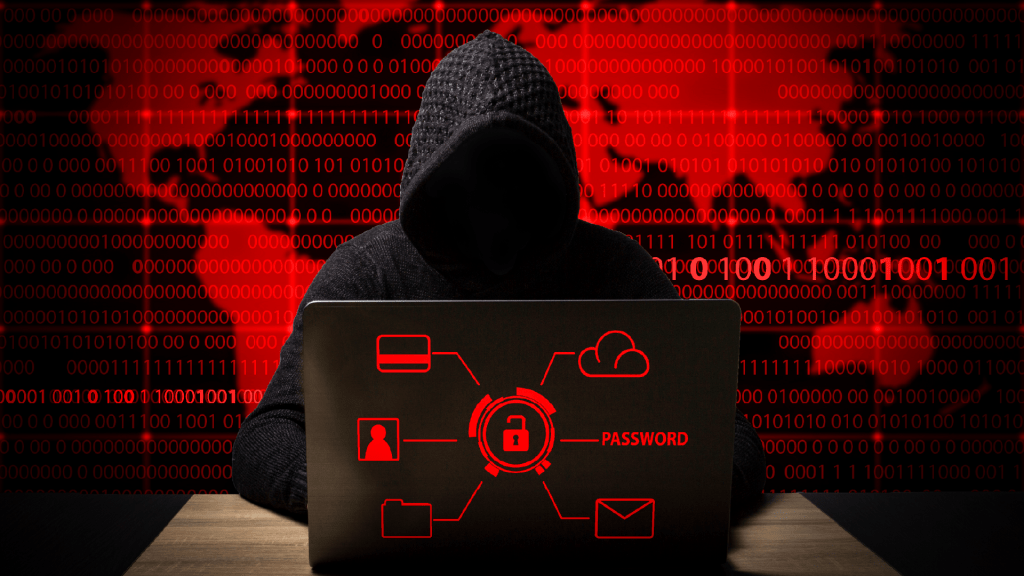
Growing Complexity of Cyber Threats in 2025
The most important cyber security risks in the year 2025
Intelligent AI Based Attacks
The advent of Artificial Intelligence in cybersecurity is a double-edged sword. Whereas AI strengthens most security systems, it also a weapon that cybercriminals are using now as well. Attack automation and sophistication has extended to AI. Here are some of the ways this is done:
Phishing and AI Assisted Phishing: AI generates lot of phishing emails impersonating legitimate individuals or organizations that a person is supposed to trust. These emails solicit personal valuable information or install malwares tailored to inflict damage. How many of us pondered if we really got such an email?
Malware creation: Real-time changing malware is created by AI that bypasses other attempted countermeasures. This entails that the average joe’s antivirus systems will barely detect these viruses.
Case Study:
This kind of sophistication was seen in 2024 when a cyberattack on financial institutions using AI generated phishing emails was succesfully mounted before the impersonators were arrested. The attackers were able to withdraw millions of dollars before they were caught.
Mitigation strategies
Educate employees about sophisticated phishing tactics and the potential for AI-generated impersonations.
Organizations need to invest in sophisticated AI-powered security solutions that can detect and respond to these advanced attacks. Adopting machine learning algorithms that learn from past experiences can detect new patterns and anomalies that signify a cyber threat.
Deepfake Attacks
Deepfakes employ AI to produce genuine-looking fake videos or audio tracks impersonating actual people. This carries great potential in spreading misinformation and carrying out scams. Deepfakes on the internet increased by 550% from 2019 to 2023. By the end of 2025, an estimated 8 million deepfake videos will be on social media. That’s a staggering number-and a stark reminder of just how quickly this technology is advancing.
Case Study
In early 2025, a deepfake video of a high-profile political leader supporting a contentious policy went viral before being exposed as a hoax. That event laid bare just how quickly and effectively deepfakes can shape public opinion-and spread disinformation.
Mitigation Strategies
Countering deepfakes requires two key steps.
Educate stakeholders about the existence and risks of deepfake technology.
Organizations need to invest in sophisticated verification software that can identify manipulated content. At the same time, public awareness campaigns are necessary to inform people about the presence and dangers of deepfakes.
Implement multi-factor authentication that includes biometric and behavioral checks.
Educate stakeholders about the existence and risks of deepfake technology.
Ransomware Attacks
Ransomware attacks remain one of the most destructive types of cyberattacks. In 2025, they continue to wreak havoc on healthcare, education and government sectors—sectors that rely heavily on easily accessible data.Those sectors have been hit hard.
Case Study
In early 2025, some hospitals faced ransomware attacks that crippled patient care services. The attackers demanded millions of dollars in ransom payments to recover data. Those attacks highlighted weaknesses in critical infrastructure systems.
Mitigation Strategies
Organizations must take two main defensive steps against ransomware.
First, they need to deploy strong backup systems that allow for rapid recovery from ransomware attacks—without having to pay ransoms. Software updates and employee training to identify phishing attempts are also essential.
Utilize advanced endpoint detection and response (EDR) solutions to identify and isolate ransomware activities promptly.
Implement regular and secure data backups to recover information without giving in to ransom demands.
Quantum Computing
Quantum computers might break current coding methods putting future data safety at risk. These machines work from today’s computers letting them solve hard problems much faster.
The widespread use of cloud services exposes sensitive data to risks like unauthorized access, misconfigurations, and inadequate security measures. Quantum computing’s immense power could render traditional encryption methods obsolete, exposing sensitive data to decryption attacks.
Case Study
Misconfigured cloud environments can lead to large-scale data leaks, as seen with several breaches affecting millions of users.
Mitigation Strategies
Regular audits, advanced access controls, and robust encryption practices are crucial.
As quantum tech gets better coded data caught today could be decoded when quantum computers grow up. Companies should get ready for this by using quantum-safe codes on.
Invest in research and implementation of encryption methods resilient to quantum computing capabilities.
Develop long-term strategies to transition critical systems to quantum-safe protocols. As quantum tech gets better coded data caught today could be decoded when quantum computers grow up. Companies should get ready for this by using quantum-safe codes on.
Supply Chain Attacks
Supply chain risks pose a significant threat to businesses. Hackers often take advantage of weak spots in the security practices of third-party vendors. This happens because one vulnerable link in the chain can leave multiple clients open to attacks. The SolarWinds incident in December 2020 showed us this. Cybercriminals infiltrated the networks of numerous global companies through compromised software updates.
Case Study:
In the SolarWinds Hack, 2020, attackers compromised software to infiltrate government agencies. Attackers inserted malicious code into updates for SolarWinds’ Orion software, which was widely used by government agencies and private organizations.
Supply chain attacks target outside vendors or software companies to hit many organizations down the line.
These attacks show that keeping data safe isn’t just about your own company, but also involves the suppliers and partners you team up with. When these updates were installed, the attackers gained unauthorized access to the systems running the software.
The attack highlighted vulnerabilities in supply chain security and underscored the importance of rigorous monitoring and verification of software updates.
Mitigation Strategies:
Establish security requirements and regular audit clauses in vendor agreements.
Conduct thorough security evaluations of suppliers and partners and making vendor assessment stronger.
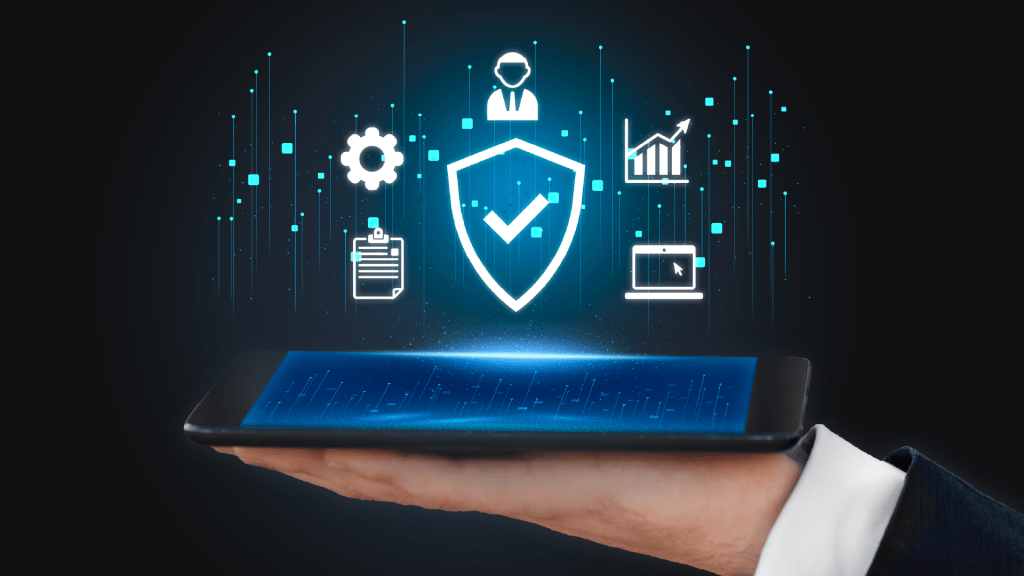
IoT and Smart Device Exploits: The Perils of Connectivity
The rapid growth of Internet of Things (IoT) devices—like smart home gadgets, wearable tech, and connected appliances—has created more opportunities for cyberattacks. Each device connects to the internet, and many of them lack strong security measures like encryption or regular updates. Hackers can exploit these weaknesses to access the device and use it as a gateway into the broader network it’s connected to, like your home Wi-Fi or even a company’s systems.
For example, if a smart thermostat or security camera is hacked, attackers could potentially gain access to sensitive information or other devices within the network. This highlights the need for better security features in IoT devices and for users to regularly update firmware, change default passwords, and only connect devices to trusted networks.
IoT Security Challenges:
- Weak Default Passwords: Many devices are shipped with factory settings that users rarely change.
- Lack of Regular Updates: IoT devices often do not receive timely security patches.
Case Study
In 2016, hackers exploited vulnerabilities in IoT devices to launch a massive Distributed Denial-of-Service (DDoS) attack, known as the Mirai Botnet Attack. They infected devices like cameras and routers with malware, turning them into a network of bots. This botnet overwhelmed major websites, including Twitter and Netflix, causing widespread outages.
Mitigation Strategies:
- Isolate IoT devices on separate networks to contain potential breaches.
- Ensure all devices are configured securely and receive regular firmware updates.
- Ensure stronger passwords, regular software updates, and better security protocols for connected devices.
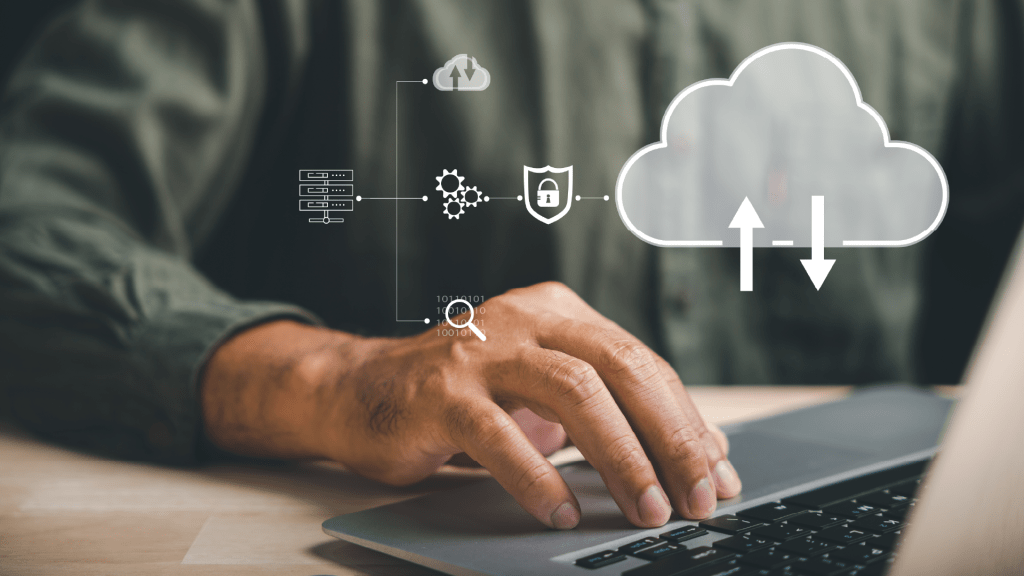
Cloud Security Vulnerabilities: Misconfigurations and Beyond
The shift to cloud computing has introduced new security challenges. Many organizations fail to properly configure their cloud environments, unintentionally leaving sensitive data exposed. For instance, publicly accessible storage buckets can be exploited by attackers to access confidential information. Misconfigurations often stem from a lack of expertise or oversight during setup. Misconfigured cloud settings, weak authentication mechanisms, and API vulnerabilities are among the issues that cybercriminals exploit.
Cloud Security Challenges:
- Data Breaches: Unsecured cloud storage can expose sensitive information.
- Insecure APIs: Poorly secured interfaces provide entry points for attackers.
Case Study
A notable case study highlighting cloud security challenges is the Capital One data breach in 2019. In this incident, a hacker exploited a misconfigured web application firewall (WAF) in Capital One’s cloud environment, gaining unauthorized access to sensitive data stored in Amazon Web Services (AWS). The breach exposed personal information of over 100 million customers, including names, addresses, and credit scores.
Mitigation Strategies:
Leverage automated tools for continuous monitoring of cloud environments to quickly detect anomalies, unauthorized activities, or compliance violations, allowing for proactive and real-time threat management. Combining these strategies helps to build a more resilient and secure cloud infrastructure..
Implement a zero trust security model, which treats all network traffic as untrusted until it is thoroughly verified, ensuring access is granted only after strict authentication and authorization.
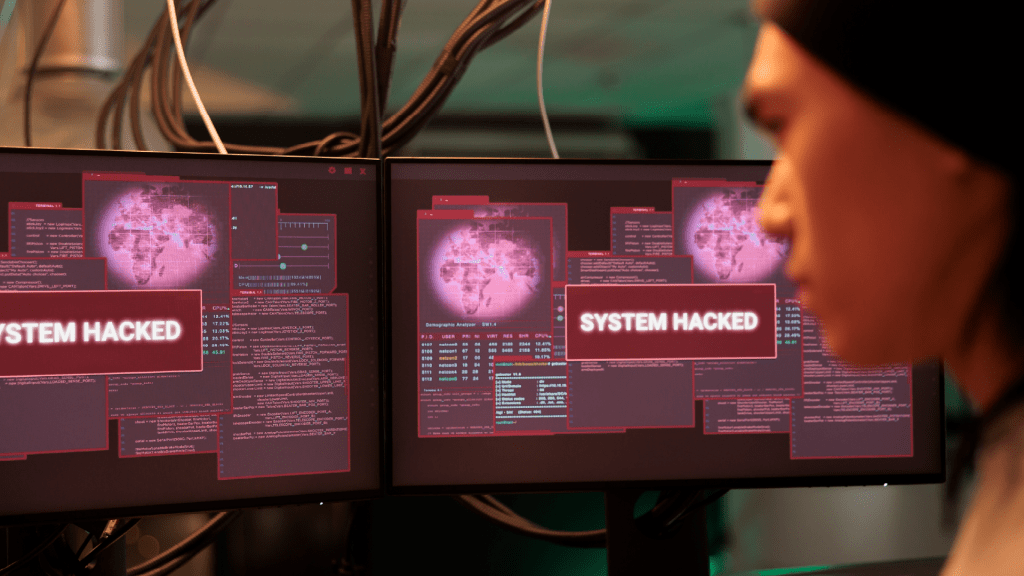
Critical Infrastructure Attacks: Threats to Essential Services
Cyberattacks on critical infrastructure, such as power grids, water treatment facilities, and transportation systems, are expected to rise. Nation-state actors and cybercriminal groups are increasingly targeting these sectors for geopolitical or financial motives. Cybercriminal groups may exploit vulnerabilities in critical infrastructure for monetary gain, such as ransomware attacks on hospitals or utilities.
Recent Infrastructure Attacks:
- U.S. Power Grid Attacks: Cybercriminals probing vulnerabilities in electrical grids.
- Healthcare Ransomware Incidents: Hospitals targeted for their sensitive patient data.
Case Study
The 2015 Ukraine power grid attack, where hackers infiltrated the control systems of power companies, causing widespread blackouts that affected over 230,000 people. This attack, attributed to a nation-state actor, highlighted vulnerabilities in critical infrastructure and the devastating impact of cyberattacks on essential services.
Mitigation Strategies:
Foster collaboration between government entities and private sector organizations to enhance security measures. This includes sharing intelligence about emerging threats, developing industry-wide security standards, and conducting joint training exercises to test and improve response strategies.
Develop and regularly update response plans tailored to critical infrastructure scenarios. Conducting simulated attacks and drills helps organizations stay prepared for real-life incidents, minimizing damage and downtime.
Conclusion
The world of cybersecurity in 2025 is characterized by quickly changing threats like AI-fueled attacks, ransomware operations, deepfakes, quantum computing threats, supply chain threats, and cloud container attacks. Examples abound of the debilitating effect these can have on organizations and individuals
showing why more robust cybersecurity controls are urgently needed across industries.
Through investment in cutting-edge technologies,
educating staff on threats, having solid security measures, promoting cooperation among organizations, conducting frequent audits, and developing a culture that makes cybersecurity awareness paramount—can help us more effectively counter these obstacles in the years to come.
With cybercrime perpetrators constantly advancing their methods at unprecedented rates—the risks have never been greater; protecting our virtual future demands attentiveness flexibility
If you liked the blog explore this:
AI-Powered Digital Twins in Manufacturing: Transforming Production, Maintenance, and Efficiency
AI-Powered Digital Twins in Manufacturing: Transforming Production, Maintenance, and Efficiency