
AI Companions & Emotional Tech: Why Loneliness is a Billion-Dollar Industry
Stay updated with us
Sign up for our newsletter
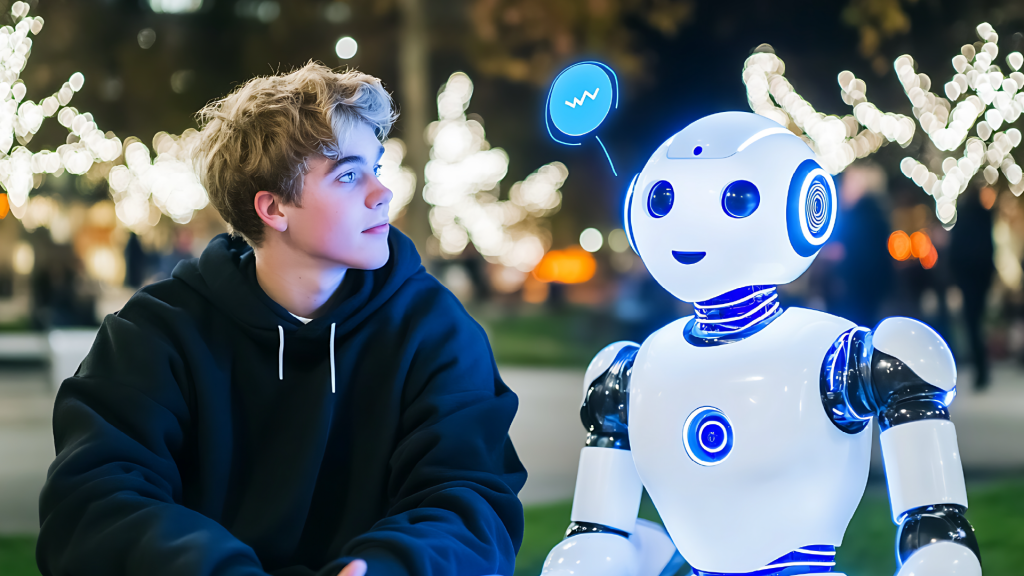
Let’s face it: loneliness isn’t just a feeling anymore. It’s a condition. A condition that quietly impacts millions, and one that a growing number of technology companies are looking to solve. Not with therapists or call hotlines, but with AI companions online, emotion-aware software, and bots you can interact with as though you’re with a friend.
Does that sound a bit strange? Maybe. But it is happening and it’s happening fast.
Also Read: How Ethical Is Your Cloud Provider? Concerns & Cost!
Loneliness is so prevalent it’s being spoken about as a public health crisis. But it’s also become a business opportunity. Startups, tech junkies and mental health websites are wagering a bet that the solution to emotional disconnection may just be machines.
This is where Emotional AI Technology comes into play.
The Loneliness Economy Is Real
You don’t have to be old, isolated, or alone to feel lonely. Loneliness can cut across all ages. A new wave of studies show GenZ feels lonelier than older adults. And even when with a cocktail of friends or colleagues, people can still feel unseen or unheard. It’s not about presence. It’s about connection.
And the stats are troubling. Cigna found that 58% of US adults consider themselves lonely, with Gen Z showing the highest rates at 73%. A wave of studies in the U.S., UK and in Asia are reporting between a quarter to a half of respondents feel lonely regularly. No longer a social issue. It’s a business opportunity. There is a new era of apps and devices on the horizon.
The global market for mental wellness tech was valued at $118 billion in 2022 and is projected to reach $280 billion by 2032. They are more than just enjoyment or management apps; they don’t just ask you inputs; they really emotionally connect, respond, and stay with you. Simply put, technology is being programmed to be a friend.
Digital Companions
There is now a full category of apps that are now intended to be your buddy: Replika, Anima, Character.AI, etc. These apps allow users to create a digital character that texts you back, remembers what you engage with, and telephone- hops to check in on you when you are down.
Some talk you through anxiety. Some will flirt back. Some are practical in value. Some are just goofy. The point is, they all talk to you. And for many consumers, talking with a friend is better than talking with no one. Replika claims to have more than 10 million users across the world. Many use Replika to support their emotional health, provide companionship, and even simulate romantic relationships. Anima AI allows users to customize personalities and claims a staggering 37% retention rate after 30 days, which is considered unusually high for a chatbot. Character.AI, a conversational AI platform, reached over 100 million monthly visits within almost a year demonstrating huge demand for this type of emotional or fantasy-based interaction.
You can laugh at the idea of talking to a bot. But it is important to remember there are literally thousands of users who do not. Especially people dealing with trauma, depression, and social anxiety. They provide what they often can’t get in real-life: unfiltered space to talk and be listened to. This way, AI companions online tools available are becoming popular – they are available, they are non-judgemental and they are always there for you.
Can AI help with mental health?
This is the important bit.
No AI, is not a therapist, but it can help to fill a massive absence. Mental Health services are expensive, often inaccessible, and still carry stigma. But an app to check-in with when you’re struggling feels a little less daunting.
There’s real interest in the intersection of Mental Health and AI. There are apps like Wysa, Woebot, etc, who are using A.I. to deliver low-level mental health services, in a similar way that it includes concepts from actual therapy like CBT, and allow users to work through spiraling anxiety and depressive thought processes (some of which are being used in real healthcare systems). And they are just a part of the more extensive world of Mental Health and AI.
No one is saying these bots replace real people, but having one to turn to when you have no one else or are not ready for the real deal, that’s where Loneliness and Mental Health Tech earns its place.
Also Read: Should We Regulate Virtual Identities in the Metaverse
But Isn’t Tech Part of the Problem?
Let’s not pretend that tech wasn’t part of the issue in the first place. Technology causes loneliness and it is real. We’re enveloped by digital mediums that want our attention. But they don’t really provide us with a meaningful and deep connection, very often. And that’s what loneliness and mental health tech is really aiming at, not to replace care, but to be a bridge. Woebot, an AI therapist, has secured over $90m in funding and has peer reviewed studies showing it reduced depression and anxiety symptoms in just two weeks.
Wysa, yet another emotional support chatbot, has over 5 million users and is incorporated into NHS services in the UK. We have more social media, but we have fewer close friends. We have more notifications, but less support. It seems strange and ironic that the system that isolated us is offering us now, a digital alternative to loneliness. A 2021 JMIR study found that users who previously used mental health chatbots and other ai services reported a 22% drop in quality stress after just one week of regular use.
But not all tech is created equal. The tech you have is draining and not the tech that listens. This is the hope behind Emotional AI Technology. Maybe we can create systems that make us feel more, not less.
The difference is intention. And right now, it is driven by intention. Yes, and money.
Why Loneliness is Big Business
Lonely people spend more on stuff. They engage more. They stay longer on the platforms that speak to them emotionally. That makes loneliness super profitable.
That’s why investors are jumping on the emotional AI bandwagon. In the past couple of years, emotional AI startups have raised huge amounts of capital. Meta is researching emotional cues in virtual-reality (VR) settings. Apple has added more mood-related features to HealthKit. Smaller startups are building products ranging from mood tracking wearables to voice monitoring of emotion.
If a product behaves like a friend, people will use it. If it holds their interest, corporations will support it.
The outcome is clear. Loneliness is no longer simply a crisis in society, it’s a market.
But here’s the messy part. If an AI makes you feel acknowledged, does it matter that it is not human? If it claims to care about you (despite it being programmed to), how do you change your perception from it being something to something real?
Good questions. These questions do not have near-term solutions.
Some people think that using bots will decrease our ability to connect with real humans, while others counter that AI can boost confidence for people who have trouble opening up. The truth they probably lie in the middle. For developers the line is slim. They need to build tools that provide emotional engagement while not creating dependency. But if attention is the currency, it becomes easy to tempt people into emotional addiction.
This is where the ethical stakes are in Loneliness and Mental Health Tech. Because if we are building digital relationships, they need to emerge from a place of care, not a place of code.
Where Are We Going?
Fast forward five years. You may have an app that not only chats with you but reads your tone, detects shifts in your moods, and prompts action when something feels off.
MIT is working on an empathy-aware AI system that can detect emotional distress through facial expressions while speaking and can also detect emotional distress through vocal patterns.
Another invention is Tombot, a robotic dog originally designed to assist dementia patients, is being used in over 400 different care facilities and has been shown to reduce agitation and anxiety. There are a number of voice-based emotion detection tools, like Ellie, that are being tested to help monitor the mental health of veterans and trauma patients in the United States.
Elder care centres will be using some sort of AI pet or bot to keep people engaged. Schools may embrace emotion-aware learning modules. Your phone leaves you a gentle check-in after a stressful day. Not to sell you something. Just to ask how you are.
These tools may not be substitutes for human connection. But they might just prevent the quietest, loneliest moments from feeling unbearable.
Final Thoughts
Loneliness has been on the rise for years. Now it is finally becoming treated seriously.
Like it or not, the solution may be partially coming from where the problem originated, technology. AI companion online, mood-aware apps, and emotional AI tech will not resolve everything. However, they might make some people’s isolation feel a little less invisible. And that matters.
Because in the end, what people really want is not perfect company. It’s presence. It’s someone, something that listens, responds, and sticks around. And if a machine can provide a version of that, even a teeny tiny version of that, not only is it worth building, it is worth getting right.