
Ericsson and Mobily Power Seamless Hajj Connectivity with AI
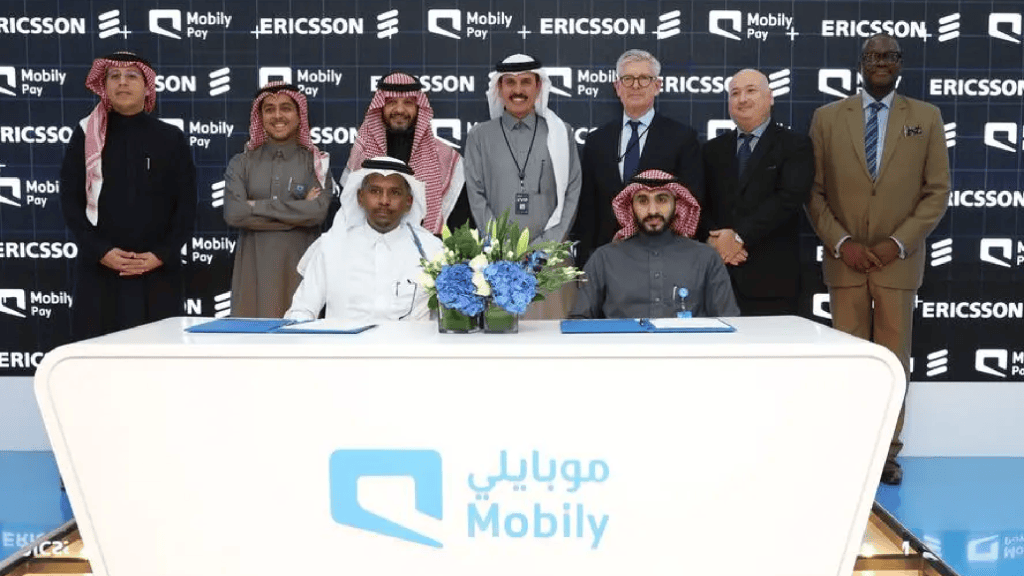
Mobily, one of the biggest telecommunications providers in Saudi Arabia, and Ericsson were working to enable connectivity for millions of pilgrims attending Hajj 2025. The two companies utilized advanced AI-powered tools to deliver improved service quality in some of the busiest, high-density areas, such as Mina and the Grand Mosque (Haram) in Makkah.
Read More: XTI, MagLev Partner for Magnetic Propulsion
The AI tools provided both centralized orchestration and distributed intelligence. This functionality helped Mobily better manage ongoing traffic, make real time decisions faster, and keep pace with millions of users with volatile and dynamic demand. The system was not only fast but also intelligent enough to detect issues, identify if it was wrong with the network, and even resolve issues without manual intervention.
A significant contributor to the work accomplished was based on Ericsson’s Uplink Interference Optimization solution which is currently functioning at Level 4 autonomy, a point where the network would take initiative without user instructions to predict problems and proactively resolve them without compromising user service. According to TM Forum’s standards of autonomy, Level 4 autonomy means the system does not wait for instructions to act. Instead, it acts autonomously leveraging AI to reroute traffic or reallocate capacity in an autonomic manner, in order to continue to provide solid service.
Mobily’s Chief Technology Officer Alaa Malki stated, “A partnership like this is critically important for us. We wanted to ensure every pilgrim was able to stay connected, get where they need to be, and access essential services without friction. Ericsson’s AI helped us deal with a lot of network challenges.”
Also Read: Black Forest Labs and NVIDIA Simplify AI Image Editing
Field results illustrated the effectiveness of the deployment. While demand was at peak levels during Hajj, network quality metrics showed significant improvements:
– 15% improvement in Signal-to-Interference-plus-Noise Ratio (SINR)
– 9% improvement in modulation
– 7% improvement in spectral efficiency
– 10% improvement in 5G throughout
These were all improvements without any physical network capacity expansion – we simply found better ways to use the existing spectrum, which allowed for greater service efficiency, consistency and stability to all users, even as exponential demand took hold of the network.
For example, the AI was able to also identify indoor signal problems, while also identifying load spikes in real-time – where the one-minute resolution gave our clients the ability to react quickly to fix coverage issues. In addition, we provided a real-time network monitoring dashboard, which allowed Mobily to understand these issues in embedded real-time ways and minimised the amount of time they had to spend on the issue.
This project sits within the Kingdom of Saudi Arabia’s Pilgrim Experience program and Vision 2030 project to provide world-class digital services. Håkan Cervell, Ericsson’s VP for Saudi Arabia said: “This is what responsible AI looks like – for technology to actively assist and work in the background to improve people’s life experiences in environments that at times can be chaotic like Hajj.”
Also Read: Celonis and Genpact Launch AI App to Cut Supply Chain Costs