
FTC Chair Lina Khan Reflects on FTC Tenure and AI Regulation Challenges
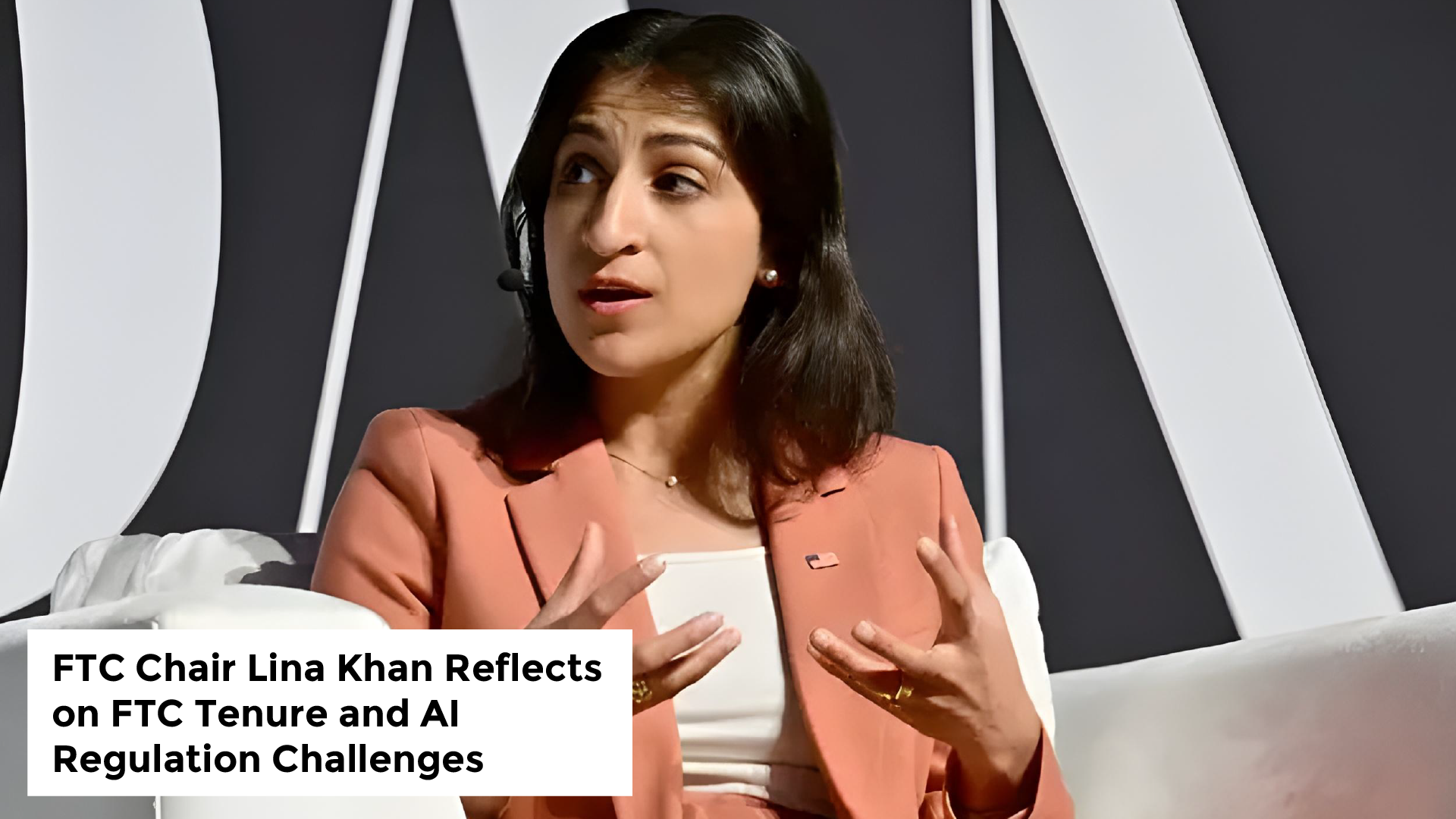
January 14, 2025, Washington, D.C — Lina Khan offered her views and hopes for the future during her final appointment as the chair of the Federal Trade Commission (FTC). She emphasized the many challenges that will be faced when dealing with Big Tech and AI innovations during her insightful discussion with Damian Paletta as a part of The Wall Street Journal’s interview.
Khan is looked upon for her unorthodox approach towards enforcing antitrust which she expressed concerns for in this interview. Khan believes there is a pressing need for regulation policies for AI as she stated
“There are regulatory framework issues that are lagging behind the pace of technological advancement.”
She expanded her legislation while explaining the proactive measures, **
“Without proactive measures, we run the danger of reinforcing existing inequalities and creating new forms of competition that are detrimental to the marketplace.”.
Their recent probes into the self-regulated competitiveness of the AI industry are evident in the actions taken by the FTC in the past months.
She also talked about the attention receiving legal war with Microsoft over its acquisition of Activision in what they define as the big tech rivalry of our times. As she glossed over the nuance concerns, she confidently exclaimed,
“These cases send a clear and substantive message that being a monopolist in the market is illegal.”
She further said we have to work to avoid allowing monopolistic practices to flourish going forward.
She Kept a continual concern over companies such as Meta and Amazon providing funding for Donald Trump’s inauguration and described them as possibly targeting regulators to promote their interests.
“The actions stated above prompt serious concerns with regards to their willingness to take responsibility” She said.
On the topic of non-compete clauses, Khan mentioned the work the FTC has been doing in order to limit their precious usage Abigail Khan stated,
“This is crucial as removing these barriers encourages competition and increases the ability for workers to switch jobs.”
While she did say that there has been progress, she stressed that further political reforms are needed to address structural corporate over concentration across the economy.
Looking Forward Khan was also worried about the next Administration and its enforcement priorities.
“The future of US antitrust enforcement is political will dependent, There is a risk that hard-won gains, will be lost through lax oversight,” she cautioned.
Khan departs but leaves a legacy of tough enforcement that includes a lesson for the FTC in terms of keeping its one eye open,
“The competitive risks that are posed more so in AI, the potential to do harm is huge, the FTC needs to be on its toes,”she ended.
The future in relation to Antitrust regulation and AI oversight which follows khan remains unclear to say the least.
You can also check our news article NetApp Teams Up with Vultr: Simplified, Scalable Data Management for AI Workloads


