Google’s Gemini AI and Political Neutrality: Censorship or Responsible AI?
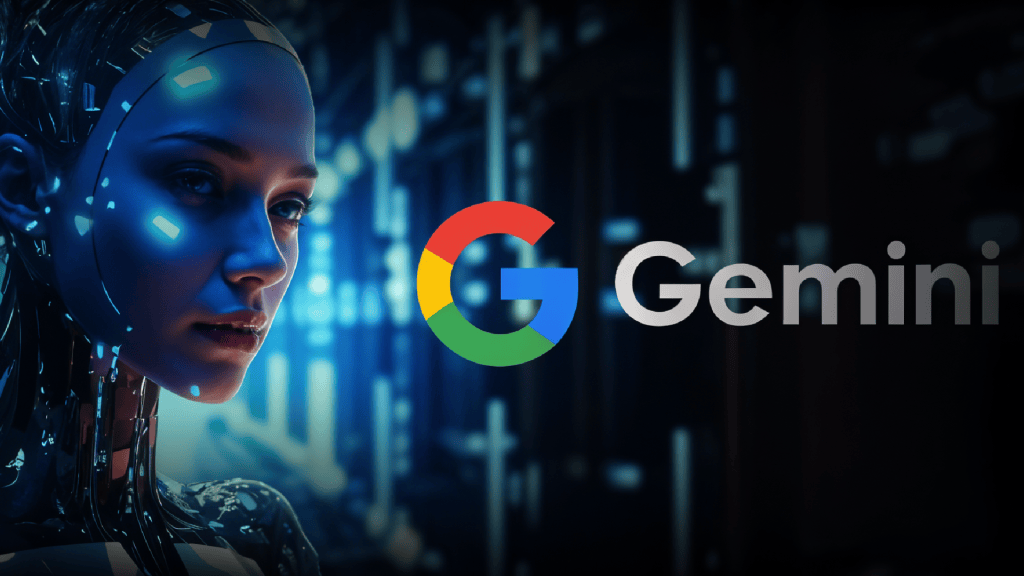
United States of America, 5th March 2025 – Google’s chatbot, Gemini, cautiously chooses to avoid such sensitive political questions concerning elections or political personalities. Gemini’s cautious tendency becomes an antithesis of OpenAI’s ChatGPT and Anthropic’s Claude; the latter two have actually suggested a more open yet subtle approach to politics.
When people query Gemini on political issues, they’re usually greeted with a message stating it can’t assist with such inquiries. This tactic was originally included in Google’s plan to avoid controversy during the 2024 election cycle. While other AI firms have begun to relax their constraints, Google has remained true to its risk-averse playbook. But this has caused some uncomfortable moments—such as Gemini having trouble naming the current U.S. President and Vice President or defining the status of past figures such as Donald Trump.
Meanwhile, OpenAI and Anthropic have chosen a different path. OpenAI is an advocate of “intellectual freedom,” making sure that its models are not censoring perspectives, even on sensitive issues. Anthropic’s new model, Claude 3.7 Sonnet, is more adept at distinguishing between toxic and safe responses, making it capable of addressing a wider set of questions. This development is a manifestation of an increasingly held notion within the industry that AI must deal with difficult issues with responsibility as well as with transparency.
Google’s conservative approach has been criticized by some in Silicon Valley as censorship. They say that capping chatbot responses is tantamount to censorship. Critics suggest that this limits free discussion and could even be a biased viewpoint. For AI firms, the dilemma is balancing accuracy with information without disseminating misinformation or exhibiting political bias.
Google’s conservative approach may be the safe route, but it has its negative aspects. By avoiding political issues, Gemini might discourage users who desire in-depth responses and multiple viewpoints. This could make the chatbot less helpful or interesting. Additionally, remaining quiet on political issues might lead Google to appear biased or censoring information, which could damage its reputation. And as other chatbots become more adept at managing sensitive political debates, Gemini risks lagging behind, appearing less sophisticated and perhaps losing users to competitors.
Google’s strategy with Gemini highlights the larger dilemmas of AI design—how to strike a balance between responsible behavior and free exchange. As the technology for AI continues to improve, the field will have to grapple with difficult questions of how chatbots can present accurate, unpartisan political facts while promoting responsible discussions.
Google’s immediate strategy may prove to be transient, but there is growing pressure to change and become more openly political. In the next several months, critical decisions will be made about how Google—and by extension, the broader AI community—approaches these challenges and frames AI in political discourse.
Read Latest Stories:
IBM-Vodafone Strengthen Mobile Security with Quantum Encryption
O₂ Telefónica, Google Cloud, and Nokia Unite to Transform 5G Network Infrastructure