IBM and RIKEN Bring Japan’s Quantum System Two
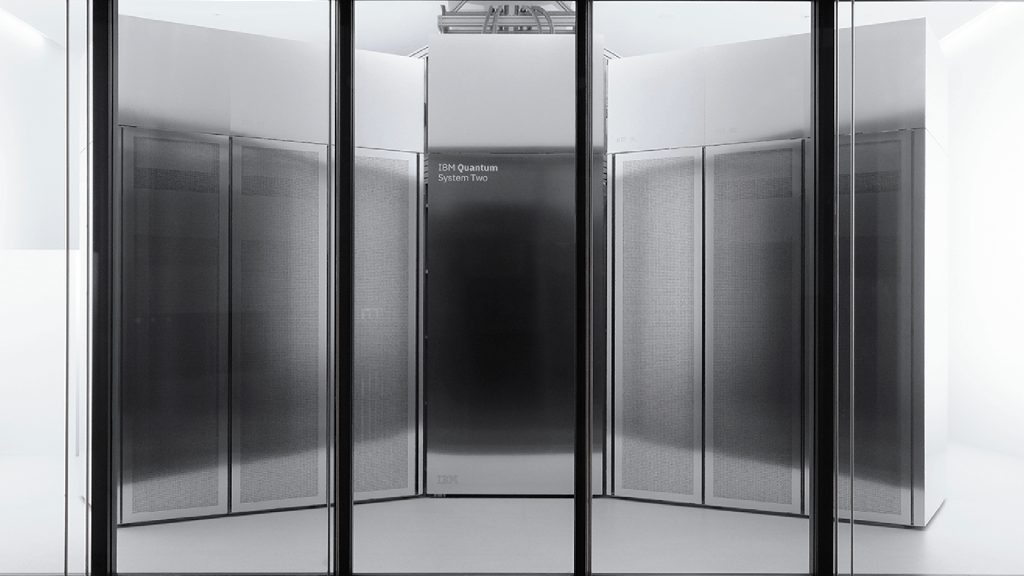
In partnership with RIKEN, IBM brought about its first IBM Quantum System Two installation worldwide outside of the U.S. It was installed at the RIKEN Center for Computational Science in Kobe, Japan, and connects IBM’s latest quantum computing systems to RIKEN’s Fugaku supercomputer, which is arguably the fastest supercomputer in the world.
This happened with government investment from Japan’s Ministry of Economy, Trade and Industry (METI) through NEDO’s post-5G infrastructure development instrument to enable the actual connection of IBM Quantum System Two. The Fugaku supercomputer with high speed communication made it easier developing quantum classical workflows that work the strengths of quantum computing and classical computing.
The system contains an IBM 156-qubit Heron processor, which as a processor includes ten times better error mitigation rates, and it has higher speed performance than earlier Eagle computers to achieve 250,000 CLOPS (circuit layer operations per second) with enough accuracy for complicated quantum circuits. These features means that the IBM process leads the world in current quantum processors now available in the world.
“Quantum-centric computing is the future,” said Jay Gambetta, IBM Fellow and Vice President of IBM Quantum. “With RIKEN, we are laying the groundwork for next-generation hybrid computing that can lead to breakthroughs for science and industry.”
According to Dr. Mitsuhisa Sato, Division Director of the Quantum-HPC Hybrid Platform Division at RIKEN, the co-location of such quantum and classical systems signal a significant step forward for computational science. “Our objective is to show real-world quantum-HPC workflows. This will allow us to produce and demonstrate useful information will be produced that conventional systems alone can never replicate,” Dr. Sato said. “This is paramount because we will be chasing practical uses of quantum hardware as they augment classical performance.”
The collaboration is aiming to push research activities across domains such as quantum chemistry and materials science, bringing the capabilities and expertise of the organizations together to hit the aspiration into practice. In a recent look into quantum advantages, RIKEN and IBM recently combined efforts to show quantum advantage for performing electronic structure modeling with sample-based quantum diagonalization tools.
This installation expands the footprint of IBM’s global quantum computing capabilities and adds another pillar to Japan’s growing quantum innovations. The formal opening was highlighted with a ribbon-cutting celebration with IBM, RIKEN, and various Japanese government agencies.
This partnership represents an important milestone towards realizing quantum advantage potential with a number of attractive opportunities tied to academic, corporate, and national science priorities.
____________________________________________________________________________________________________
Latest Stories
Implementing edge-to-cloud networking security
2024 Cybersecurity Leadership and Organization Summary Report