
Samsung Is Future-Proofing Mobile Security with Post-Quantum Cryptography
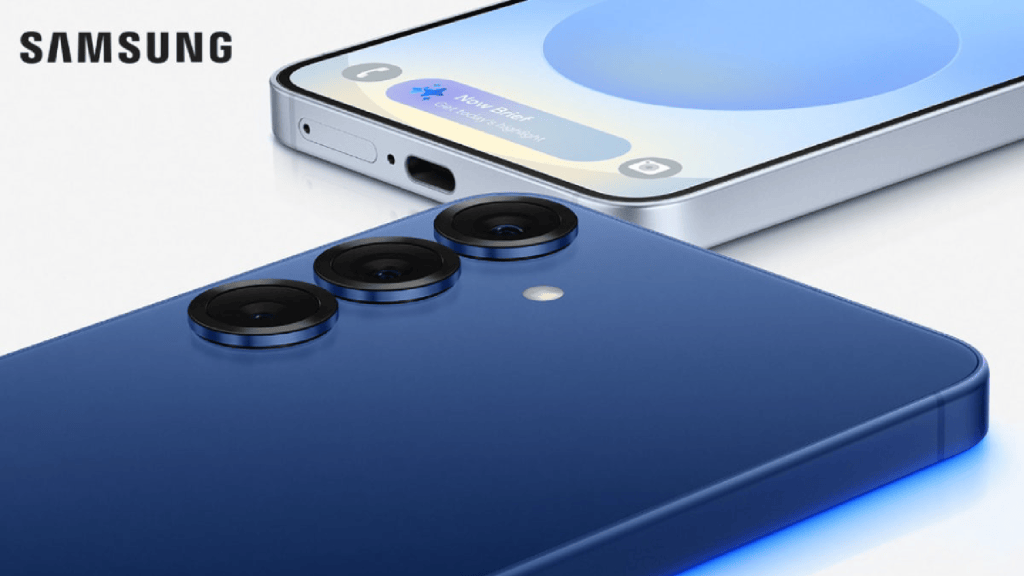
KOREA, 5th February 2025 – In its upcoming Galaxy S25 series, Samsung Electronics intends to enhance mobile security through integration of post-quantum cryptography (PQC). The objective of this new encryption technology is to protect the data of users today against the risks that may arise from quantum computing in the future. A new era is coming for quantum computing. It can solve hard problems much quicker than normal computers. However, this also poses some risks.
The current forms of encryption may be rendered useless by quantum computers but it is not certain whether or not they would manage to do that at all. Such an event would compromise private information. To combat this, Samsung is going for PQC. With all these taken into consideration, taking such a step will ensure that encryption is effective even in the era of quantum technology. This move will help keep encrypted data safe in an era of quantum technology.
Samsung is acting to fight possible threats. One such threat is the “harvest now, decrypt later” plan. Here, cyber crooks gather encrypted data today. They hope to crack it with future quantum tech. Samsung follows the rules set by the U.S. National Institute of Standards and Technology (NIST) to guard against quantum threats.
A key part of its security upgrade is the ML-KEM (Module-Lattice-Based Key-Encapsulation Mechanism) algorithm. This lattice-based cryptographic method makes it very hard to crack encryption keys even for quantum computers. The technology improves secure communication between devices while keeping strong security and effectiveness.
NIST’s PQC standards guard a range of sensitive info, from private emails to money transfers. Samsung wants to use these standards to keep cloud-stored data safe for years to come. Samsung is adding PQC to its Knox Matrix security setup with a new feature called Post-Quantum Enhanced Data Protection (EDP).
This feature codes user info when it’s backed up, restored, or synced through Samsung Cloud making it even harder for quantum computers to crack. The Knox Matrix setup protects data across many Samsung devices at once, from phones to smart TVs to home appliances. The Galaxy S25 line, which will run on One UI 7, will be the first to have this better cloud security.
As quantum computing makes strides, we need tougher cybersecurity. Samsung leads the pack in mobile security raising the bar for data protection in the quantum age. The Galaxy S25 lineup makes Samsung the pioneer to provide PQC-based cloud data protection. This shows how serious they are about keeping user info private and safe in our more and more connected world.
Read Latest Stories:
How OpenAI & SoftBank’s $3 Billion AI Partnership Will Transform Businesses
Airline Shake-Up! Lufthansa Secures 41% of ITA Airways in a Bold Takeover
Japan’s AI Dilemma: Will DeepSeek Reduce Energy Use or Make It Worse?