Elon Musk’s Gamble: Tesla’s Unsupervised Robotaxi Service From June!
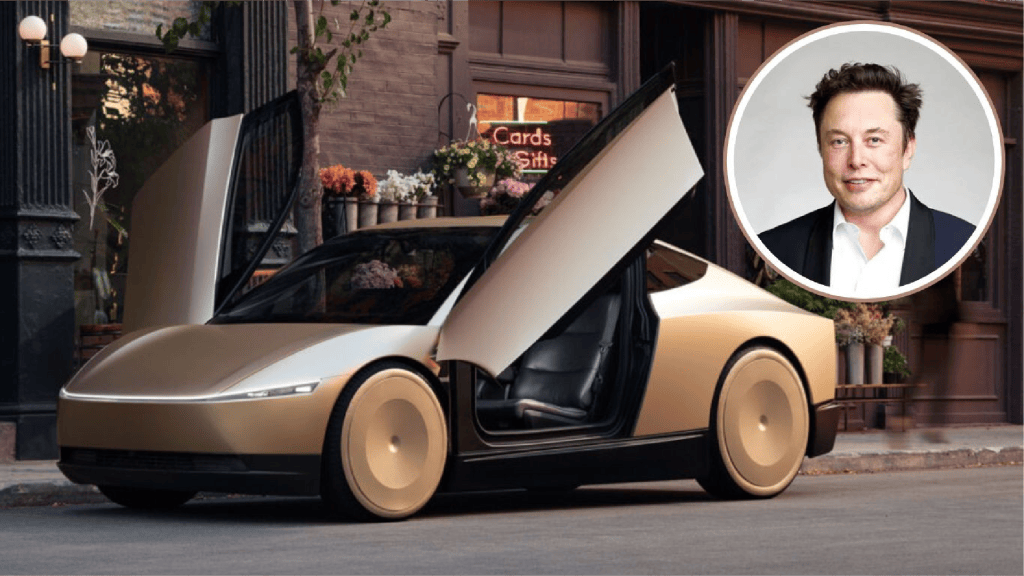
NEW YORK, 30th January 2025 – Elon Musk has made another bold promise—Tesla’s driverless taxis are hitting the streets of Austin this June. No drivers, no safety supervisors, just Tesla’s Full Self-Driving (FSD) software in control. If it works, Tesla owners could soon add their cars to the fleet, just like listing a home on Airbnb. But the big question is: Is Tesla really ready for this?
Tesla will first launch the service with its own fleet in Austin. Next year, if all goes well, Tesla owners across the U.S. will be able to rent out their cars as robotaxis. The idea sounds great—your car makes money for you while you’re not using it. But Tesla’s self-driving technology still has major gaps.
Is Tesla’s Self-Driving Tech Safe?
Musk claims Tesla’s FSD is much safer than human drivers. He says the system experiences just one crash for every 5.9 million miles driven—8.5 times better than regular drivers. But here’s the catch: That data mostly comes from freeway driving, where accidents are already less common.
Independent Tesla users have a different story. Many say they have to take control of their cars every 400 miles to prevent risky situations. Compare that to Waymo, Google’s self-driving car company, which reports only one claim-worthy accident every 2.3 million miles. That’s a huge gap in reliability.
Tesla also relies only on cameras for navigation, unlike Waymo, which uses lidar and other sensors for extra safety. Tesla’s system has struggled with things like wet roads, bright sunlight, and even recognizing motorcycles. Just last year, a Tesla in FSD mode hit and killed a motorcyclist in Seattle.
Why Is Tesla Starting in Austin?
Austin makes sense for Tesla’s launch because Texas has fewer rules for self-driving cars. In places like California, companies need special permits for fully driverless cars. Tesla hasn’t even applied for one yet.
Musk says Tesla will expand the service across the U.S. next year, but that’s a big claim. In 2019, he said there would be “a million robotaxis” on the road by 2020. That never happened. Even now, Tesla has only tested driverless cars in controlled environments, like private roads at its factories.
The world will be watching Austin closely. If Tesla’s robotaxis can handle real traffic, it could be an unbelievable achievement. But if they struggle, it could be another case of Musk overpromising. Either way, this will be one of the biggest tests for self-driving cars yet.
Musk is confident the service will expand across the U.S. next year.
Read Latest Stories:
Alibaba’s AI Strikes Back! Qwen 2.5-Max Challenges DeepSeek
AI Goose Declares War on OpenAI-End of AI Monopolies?
Batelco’s Massive 4G & 5G Expansion Shakes Up Bahrain’s Connectivity