
Why Biometric Payments Are Becoming a Security Standard
Stay updated with us
Sign up for our newsletter
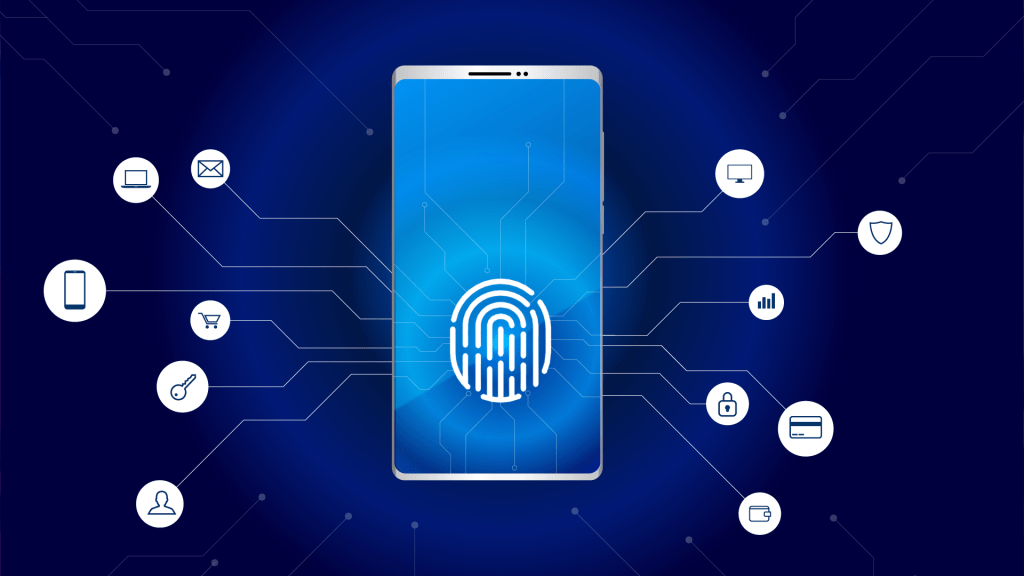
The increasing speed and smoothness of digital payments create new problems, resulting in higher rates of fraud, identity theft, and unauthorized access. The combination of real-time transactions and advanced cyber threats has made it impossible to protect systems with traditional security measures, which include passwords and PINs. Biometric payments have emerged as a new security standard that changes how payment systems verify customer identity. Biometric technology has evolved beyond its experimental status because it now serves as a basic element for establishing payment trustworthiness.
The Limits of Traditional Payment Authentication
Users of conventional authentication methods must depend on their knowledge of passwords and PINs and their possession of cards and devices. The security systems that people use today create multiple security problems because users can reuse passwords, thieves can steal them, people can lose their cards, and criminals can clone them. The system becomes more difficult to control because payment volumes increase and transactions take place in real time.
Biometric payments solve this security problem by authenticating users through their unique physical and behavioral characteristics, which are nearly impossible to duplicate.
What Biometric Payments Actually Involve
The system uses biometric payment technology to recognize people through their fingerprints, facial features, voice, and eye patterns. The system verifies these identifiers by comparing them to encrypted biometric templates, which the system keeps in a secure database instead of using shared secret information.
Physical Biometrics
Fingerprint and facial recognition technology have become the primary biometric identification systems that people use for mobile wallet payments and point-of-sale terminal operations.
Read More: How Digital Escrow Services Are Changing Online Marketplaces
Behavioral Biometrics
The system continues to authenticate users through their typing patterns, touch pressure, and usage patterns, which work without requiring user interaction.
Multi-Modal Verification
The systems use multiple biometric signals to improve accuracy while decreasing false positive rates. It implements multiple security measures that adjust according to the security requirements of each transaction.
Why Biometrics Improve Both Security and Experience
The main reason biometric payments became popular is that they provide better security and better user experience, which have been difficult to achieve together in the past. Security systems that use traditional methods create barriers through their need for users to complete more steps, face interruptions, and perform manual tasks, which causes delays in processing payments and creates user dissatisfaction. Biometrics change this dynamic by embedding security directly into natural user behavior.
Fingerprint scanning and facial recognition authentication provide faster and more dependable access than password entry and PIN remembrance. Users can authenticate through biometric systems because the authentication process operates in the background without requiring their active participation. The system provides advantages by decreasing payment delays, which lessens customer drop-off while creating an efficient payment process for online and offline payment methods.
Merchants and payment providers achieve better results through enhanced customer experiences. Faster authentication measures shorten waiting periods in physical environments while boosting conversion rates during online checkout processes. Stronger identity verification methods succeed in decreasing fraud-related financial losses and chargeback incidents, and they also decrease the costs associated with handling disputes. The security model enables business expansion because it creates protective measures that support development initiatives.
Biometric systems provide an important advantage because they decrease the need for people, leading to fewer mistakes when performing tasks. Users can now follow secure practices because they no longer need to handle complicated password systems or deal with constant verification requests.
Reducing Fraud in Real-Time Payment Environments
The design of real-time payment systems exists to create immediate payment transactions. The process of reversing transferred funds becomes difficult because of fraudulent methods, which require both time and expenses to fix or become unfixable. The most effective method of protection exists in environments where detection methods do not exist.
Biometric authentication shifts fraud prevention to the earliest possible stage, before a transaction is authorized. Biometric systems protect user identity by authenticating users during payment transactions, which helps prevent account takeover, unauthorized access, and synthetic identity fraud.
Attackers face increased fraud expenses because biometric identifiers need special conditions that make them impossible to share or guess for phishing attempts to succeed. The need for this solution becomes critical in settings that operate at high frequencies, including contactless retail transit systems, peer-to-peer payment systems, and digital wallets, because traditional verification methods create delays and excessive disruptions.
Biometric systems function effectively when combined with systems that evaluate risks in real time. When users show specific behavioral or contextual signals that indicate danger, they require biometric verification as the main security measure. The payment systems use this method to operate at high speeds while they protect their systems from new fraud methods.
Read More: Why Transaction Intelligence Is the Next Competitive Advantage in Payments
Biometrics as a Foundation for Identity-First Payments
Biometric payments function as part of a larger movement that establishes financial systems based on identity verification. The systems perform individual authentication without depending on credentials, cards, or devices. The identity-based system shows better security performance when used across different security protection options. A user who has been verified through biometric methods in a mobile application can be recognized throughout online, in-store, and contactless situations without needing additional authentication processes.
As financial ecosystems become more interconnected, this consistency becomes increasingly valuable. The system enables identity-first payments to create personalized experiences while making risk assessment decisions. It establishes user identification, enabling the system to adjust authentication methods, spending limits, and fraud prevention measures based on actual user behavior. The system allows low-risk transactions to pass through without any obstacles, while it requires stronger verification procedures for high-risk situations. Biometric identity establishes itself as the permanent basis for secure financial transactions because it enables users to make payments, access services, grant permissions, and build lasting relationships with customers.
Conclusion
The development of biometric systems will progress from using optional features to establishing mandatory biometric standards as biometric precision reaches new heights and supporting systems achieve greater development. The upcoming systems will use biometric data together with contextual risk signals to establish authentication methods that adjust according to transaction value, user location, and user activities. The implementation of biometrics will establish core security functions that protect digital payment systems, while additional security tools support these primary protection measures. Biometric payment systems enhance security in an economy that requires both rapid execution and dependable protection, creating secure payment methods that establish new security standards.
Write to us [wasim.a@demandmediaagency.com] to learn more about our exclusive editorial packages and programmes.