
Why Hyperpersonalization Is Becoming the New Standard in Fintech UX
Stay updated with us
Sign up for our newsletter
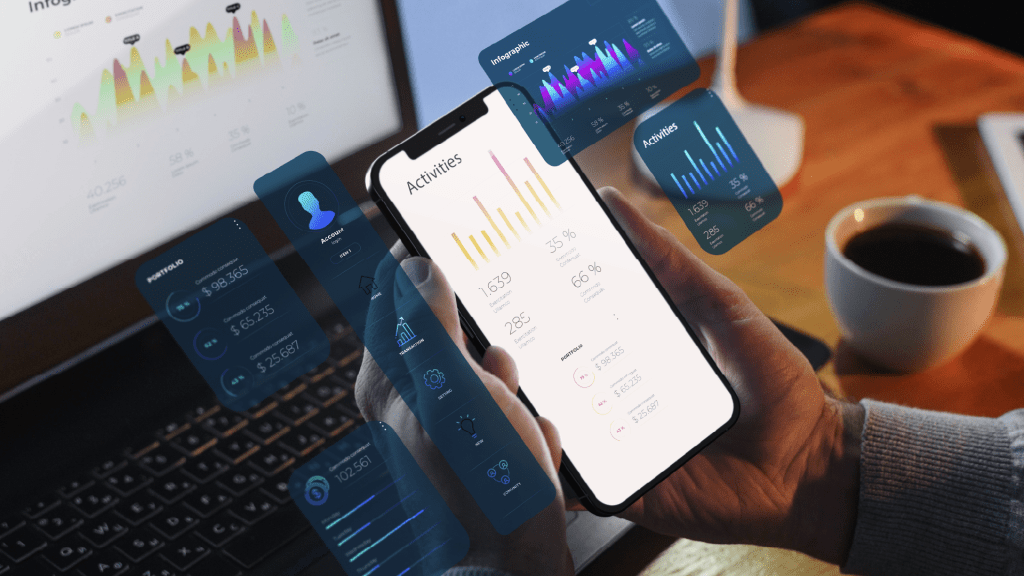
Hyperpersonalization is an important aspect in financial technology that has uniquely defined the way people use financial services. Consumers are getting used to the digital spaces that are very user-friendly, smart, and customized to their requirements, removing the need for traditional nonspecific user interfaces. The sector is now designing and deploying highly personalized experiences with the use of technology like advanced AI, real-time data analytics, behavioral modeling, and predictive intelligence that are in tune with the users’ needs before the users themselves know it.
The fintech user of today not only wants the service to be convenient but also to connect with them on a deeper emotional level and give them a sense of clarity, trust, and assurance. Hyperpersonalization is the one that provides a flawless experience that fits each user’s goals, spending patterns, risk attitude, and stage of life. For the fintech brands, this transformation is not merely a UI enhancement, but a requirement to stay in the competition.
Read More: Why Decentralized Identity Could Be the Key to Financial Inclusion
Personalization to Hyperpersonalization: What Has Changed?
Personalization was, at one time, solely about users being called by their first names or receiving generic product suggestions. Nevertheless, in a time when consumers are looking for smarter value, the surface-level personalization has become obsolete.
Hyperpersonalization works on a principled approach by combining:
- Real-time behavioral data
- AI and machine learning models
- Predictive intent analysis
- Contextual insights across devices
- Emotion-aware UX patterns
Fintech platforms are now not just reacting to user actions but are also starting to predict them. Whether it is cash-flow shortages being predicted, personalized investment portfolios being recommended, or micro-loans being offered based on spending history, hyperpersonalization is giving a new dimension to financial platforms by making them proactive assistants instead of just passive tools.
Why Hyperpersonalization Matters in Fintech UX
1. Users Expect Consumer-Grade Experiences
The trend set by Netflix, Spotify, and Instagram has become a norm; hence, the users of fintech apps are expecting the same level of smartness and intuitiveness. If a user can understand the viewing habits of one streaming service, then it should be supported that a banking app can comprehend the user’s saving or spending patterns as well. Hyperpersonalization is the promised method of fulfilling the consumer’s demand by giving them the most personalized financial advice that is pleasant, clever, and easy to use.
2. Financial Decisions Are Highly Personal
Money is an emotional matter. Users’ financial goals, worries, and activities are very personal to them. With the help of hyperpersonalization, the difference between users is respected on the fintech platforms by offering them aid that seems to be only for them. For instance:
- Students are likely to require budgeting prompts.
- Millennials may be interested in getting high-yield savings tips.
- New parents might seek guidance for insurance or long-term investment planning.
For each of these categories, a general system cannot satisfy them to the same extent.
The AI Engines Powering Hyperpersonalized Fintech UX
The execution of hyperpersonalization is made possible through the coupling of modern AI technologies and real-time data systems that are always learning and evolving.
1. Predictive Behavioral Models
AI models not only analyze the user’s past spending, but also his/her timing of transactions, lifestyle, and even location to predict his/her upcoming needs. By forecasting these, they can tell when the user will be paying the bill or renewing the subscription.
2. Real-Time Personalization Layers
Fintech platforms are able to provide real-time user nudges, alerts, and recommendations that develop along with the user’s interaction with the interface. These may range from reminders, investment recommendations, or immediate risk evaluation.
3. NLP and Conversational AI
Text and voice assistants can now modify their tone, suggestion pattern, and complexity according to the personality and financial acumen of the user.
4. Identity Graphs and Behavioral Biometrics
These solutions not only provide security but also allow for uninterrupted use across various platforms, assisting in the maintenance of personalized experiences by fintech applications on different devices.
How Hyperpersonalization Enhances User Trust and Engagement
1. Decreased Cognitive Load
Fintech platforms, by showing only the most pertinent information, minimize the user’s stress and let them make decisions with confidence.
2. Increased App Loyalty
One of the biggest reasons users keep coming back is that the platform feels tailor-made for them. Hyperpersonalization is the one that drives up engagement levels, retention, and cross-product adoption.
3. More Empowered Financial Decision-Making
Personalized insights, intelligent nudges, and tailored predictions facilitate the feeling of being in control over one’s financial future.
4. Human-Like Interaction Without Human Limitations
AI offers the attention of a personal banker consistently, and at scale.
Read More: How Smart Contracts Are Making Compliance More Autonomous
Challenges: The Fine Line Between Helpful and Intrusive
The issue of infusing personalization with privacy concerns is rather delicate. Fintech companies have to:
- Practice data transparency
- Implement extensive security and compliance measures
- Make sure the users are aware of what is being personalized and the reasons behind it
The most successful finance technology companies know how to make the customer feel like they are cared for without being watched, and hence keep providing value without taking away the customers’ freedom.
Conclusion: Hyperpersonalization as the Fintech Default
The trend of hyperpersonalization in AI will not just be an advantage but rather an expectation in the future. The following will occur:
- Financial assistants that can detect emotions
- Completely adaptive interfaces that change according to the user’s level of maturity
- Daily changing predictive financial planning
- Credit, lending, and investment decisions that are more aware of the context
Users will finally be using fintech applications that are more aware of their financial habits than the users themselves.
To put it differently, hyperpersonalization is not only improving the UX of fintech but also marking the beginning of a new era of financial empowerment. The companies that will be leading in this will be the ones that adopt it. The rest will gradually disappear.