
Why Everyday Apps Are Becoming the New Banks
Stay updated with us
Sign up for our newsletter
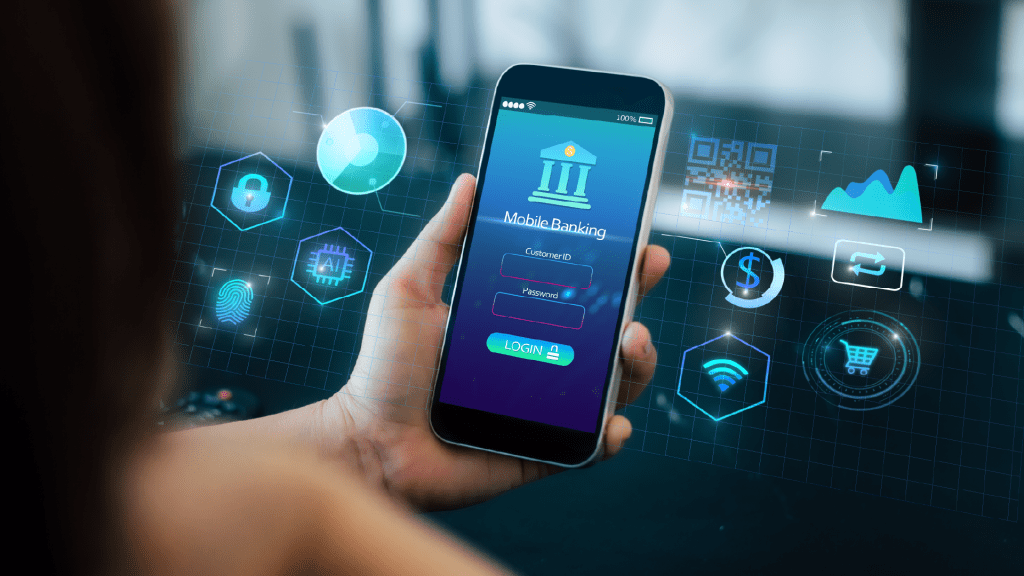
The banking industry is shifting from its standard banking system, which requires clients to visit banks for all their financial needs. Financial services today operate through digital platforms, accessible on a daily basis. Payment systems, wallets, and lending services now function as integrated features within ride-hailing services, e-commerce platforms, messaging apps, and digital marketplaces.
The current financial services industry needs to adapt to the new methods that people use to obtain financial products. Users can make payments, receive funds, access credit, and manage their account balances through the same applications they use for their regular activities. The everyday platforms used by people are developing into their main method of accessing financial services.
Embedded Finance Is Driving the Transformation
Embedded finance serves as the main driver behind this transformation. Digital platforms can add financial functions through fintech infrastructure and APIs without needing to function as conventional banking institutions.
Seamless Payments Within Digital Experiences
Users can complete transactions directly within the platform they are using, whether they are shopping online, booking transportation, or subscribing to digital services. Financial interactions become faster and more convenient through this process, eliminating friction.
Integrated Lending and Credit Services
Most platforms today offer customers instant credit through buy-now-pay-later systems and working capital financing options, which sellers and gig workers can use. The financial services deliver their functions at the exact locations where users require assistance, which simplifies access for users.
Read More: How Fintech Platforms Are Redefining Corporate Expense Management
Digital Wallets and Stored Value Accounts
The wallet functions enable users to manage their money while making payments and moving funds between accounts without needing access to standard banking systems. Users within the app ecosystem use these wallets as their main financial representation.
The Data Advantage of Everyday Platforms
Digital platforms possess detailed insights into user behavior, which enables them to design highly contextual financial services.
Behavioral Data Enables Smarter Financial Products
Platforms can create financial products that meet actual user requirements because they track user behavior through purchasing activities, interaction with their system, and financial transactions.
Personalized Financial Experiences
User activity within the system enables apps to suggest payment methods, financing options, and saving functionalities to users. Personalized financial services create an intuitive user experience because they deliver relevant services to customers.
Real-Time Risk Assessment
Platforms can assess creditworthiness and identify suspicious behavior patterns through their access to transaction data and user behavior data, which enables faster processing than existing methods.
Why Consumers Are Choosing Platform-Based Finance
People today prefer to handle their financial activities through common applications because these applications deliver quick access to their essential functions.
Reduced Friction in Financial Transactions
The system allows users to perform their transactions from one digital space without needing to move between different applications. It enables users to make payments, complete transfers, and conduct purchases from a unified digital platform.
Higher Engagement With Financial Tools
People use their normal applications throughout the day because they need to access these applications multiple times. People will use financial services more often when those services become part of their daily environments.
Faster Access to Financial Services
The banking system requires customers to complete multiple time-consuming procedures which operate through difficult processes. Digital finance platforms enable users to complete their onboarding, approval, and payment processes through efficient online systems.
The Competitive Advantage for Digital Platforms
Digital platforms gain a competitive edge through financial service availability because it helps users by creating important business advantages.
Expanding Revenue Streams
Platforms can create additional income through embedded financial services, which allow them to collect transaction fees, offer lending services, develop subscription models, and form financial partnerships.
Strengthening Customer Loyalty
Users who handle payments, balances, and purchases in one system find it hard to switch to another platform. The integration of financial services results in higher customer retention rates.
Building Full Digital Ecosystems
The platform develops into a complete digital ecosystem when it successfully combines commercial activities with service offerings and financial functions.
The Role of Fintech Infrastructure
Non-financial companies use banking-like services because fintech infrastructure providers make this service available to them.
Banking-as-a-Service Platforms
The platforms enable companies to connect with banking functions that comply with regulations through payment systems, card services, and account management without needing to create new financial systems.
Payment Processing Networks
The advanced payment systems of today enable users to conduct real-time transactions, transfer funds worldwide, and make safe digital payments through their common applications.
Read More: How Financial Gamification Is Changing User Engagement
Compliance and Security Layers
Fintech partners assist digital platforms in maintaining safe operations within financial ecosystems because they provide identity verification, fraud protection, and regulatory compliance solutions.
Implications for the Future of Banking
The growth of financial services through common applications does not lead to the extinction of traditional banks. The financial ecosystem now develops into a structure with multiple layers, which different players use to perform distinct functions.
Banks will maintain their role in providing financial institutions that comply with regulations to manage risks and handle capital. Digital platforms will take control of the customer experience and the interface that users see. The new trend causes most consumers to use digital platforms for their financial needs while their banking systems function without detection.
Conclusion
The new banking system is established through everyday applications because these applications provide users with banking services that they can access through their trusted daily environments. The platforms create a new approach to money management through their direct integration of payment systems, digital wallets, and credit services into their online user experiences. The development of fintech systems will enable financial services to merge into everyday life. The future of banking will become a part of digital systems that people use for their everyday activities.